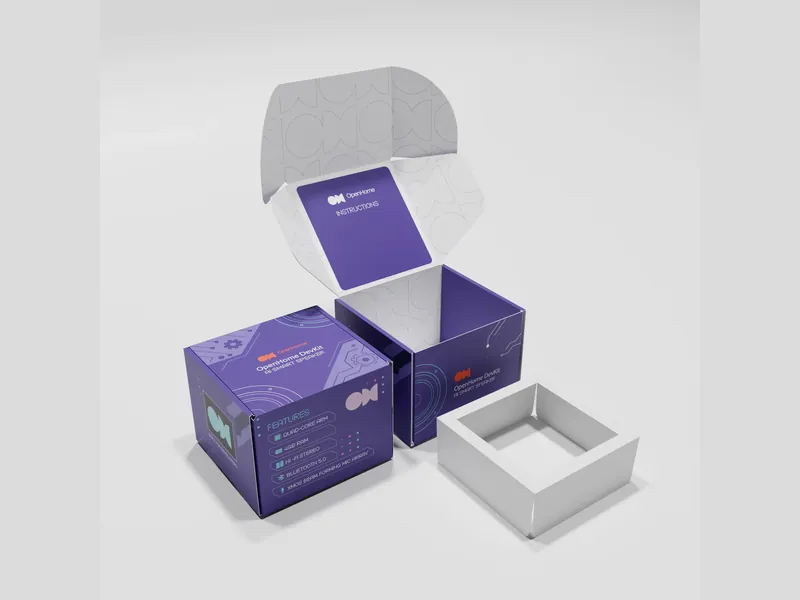
Knowing how to hire a packaging designer can save a brand weeks of revisions and prevent costly print mistakes. The right partner should understand both visual branding and the production realities behind labels, cartons, pouches and rigid boxes.
Define the Project Before Comparing Designers
List the product type, SKU count, package format, printer status, target market, sales channels, deadline and budget range. Decide whether you need artwork only, structural design, naming, copy support, 3D renders or Amazon creative.
Review Relevant Packaging Work
Look for projects close to your format and category. A strong portfolio should show hierarchy, realistic mockups and production awareness—not only attractive flat graphics. Ask whether the designer created the dieline, artwork, renders or the complete system.
Ask About Production Experience
A capable packaging designer should discuss bleed, safe areas, colour modes, spot colours, barcodes, finishes, material limits and printer handoff. They should be comfortable working from a manufacturer’s dieline and communicating technical questions clearly.
Prepare a Useful Creative Brief
- Product and customer overview
- Competitors and positioning
- Required copy and claims
- Final dimensions or dielines
- Logo and brand assets
- Reference styles and clear dislikes
- Deliverables, deadline and approval process
Confirm Deliverables in Writing
Your agreement should state the number of concepts and revisions, included SKUs, editable source files, print-ready PDFs, mockups, ownership terms, schedule and what counts as out-of-scope work.
Understand the Revision Process
Good revisions are based on consolidated feedback and business goals. Assign one decision-maker, collect comments in one place and verify copy before visual refinements. Multiple contradictory reviewers create delays and inconsistency.
Red Flags When Hiring
- No questions about the printer or package dimensions
- Promises of unlimited concepts at an unrealistically low price
- Portfolio images with no explanation of the designer’s role
- No written deliverables or revision terms
- Reliance on mockups without print-ready examples
- Claims that every package format follows the same process
What a Professional Handoff Includes
A strong handoff normally includes approved print PDFs, editable source files, linked assets, fonts or licensing notes, colour references, finish separations and version labels. Your printer may request changes; keep the designer available through prepress.
Hire a Packaging Partner, Not Just a Pair of Hands
Mueen Studio supports brands with dielines and structural packaging, labels, pouches, boxes and Amazon launch visuals. See the portfolio, check client reviews, review pricing guidance, or send a project brief.
